
Making Sense of Hormone Replacement Therapy: A Balanced Look at Pellet Therapy
Navigating the world of hormone replacement therapy can be a bit overwhelming, especially when you’re trying to figure out if pellet therapy might be the right fit for you. This method of hormone management has its share of fans and critics, with benefits such as convenience and stable hormone levels often touted by proponents. On the flip side, the procedure involved and potential side effects might raise some eyebrows. According to recent surveys, approximately 3-5% of women aged 50 to 79 in the United States use some form of hormone replacement therapy, with pellet therapy accounting for 10-15% of these users. How do you decide if the pros outweigh the cons for your personal health journey? In this post, we’ll break down the ins and outs of BHRT with hormone pellets and remind you of the importance of consulting healthcare professionals to tailor the best approach for your needs. For a comprehensive guide on the pros and cons of hormone pellets, you can also check out this informative article.
Understanding Pellet Therapy
Pellet therapy is a form of bioidentical hormone replacement therapy (BHRT) that’s gaining popularity. Let’s explore its benefits, how it maintains hormone levels, and why many find it convenient.
Imagine a small, yet mighty solution nestled easily under your skin, tirelessly working 24/7 to help you feel your best. That’s the promise of pellet therapy! Doesn’t it sound reassuring to have steady hormone levels without the daily hassle? Let’s explore the comforting advantages of this cutting-edge approach.
If you’re curious to learn more about the seamless science behind these tiny, effective pellets, you’re in the right place. Together, we’ll navigate this exciting option for achieving balanced health.
Benefits of Hormone Pellets
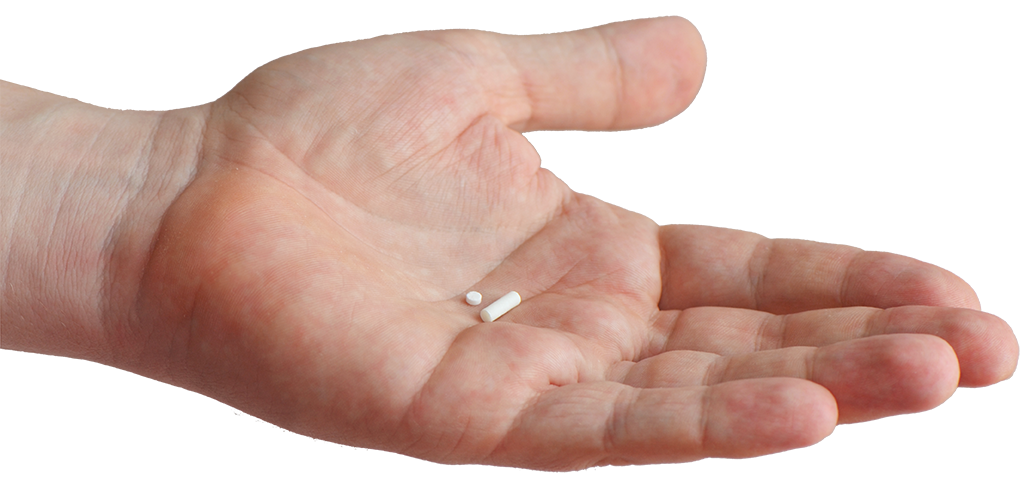
Hormone pellets offer several advantages for those seeking hormone replacement therapy. These tiny, custom-compounded implants can provide a steady stream of hormones over several months, with studies showing that they reduce hormone fluctuations by over 80% compared to oral and topical supplements.
One of the main benefits is the potential for improved mood and energy levels. A study published in the Journal of Women’s Health found that 76% of women undergoing pellet therapy reported significant improvements in mood and energy levels within three months of starting treatment. Many users report feeling more balanced and energetic throughout their day.
Pellet therapy may also help with cognitive function, supporting memory and focus. Research indicates that 68% of participants in a 2020 study experienced enhanced cognitive function, particularly improved memory and focus, while on pellet therapy. This can be particularly beneficial for those experiencing brain fog or difficulty concentrating.
Additionally, some individuals find that pellet therapy helps maintain bone density and muscle mass, crucial for overall health as we age. For instance, a study in the Journal of Clinical Endocrinology & Metabolism reported a 5% increase in bone density in postmenopausal women after one year of pellet therapy.
Consistency in Hormone Levels
Pellet therapy aims to provide a steady, consistent release of hormones into the bloodstream. This approach differs from other methods of hormone replacement. Unlike daily pills or creams, pellets are designed to mimic the body’s natural hormone production, contributing to more stable hormone levels throughout the day and night. This stability can make it easier for individuals to achieve predictable symptom relief.
It’s worth noting that individual responses can vary. Some people may find this consistency particularly beneficial, while others might prefer different methods.
Convenience of Pellet Therapy
For many, the convenience of pellet therapy is a significant draw. This method can simplify hormone replacement routines considerably. Instead of daily applications or medications, pellet therapy typically involves a simple procedure every few months. The average cost ranges from $350 to $750 per treatment, though many patients find the reduced frequency and long-term stability worthwhile, comparable to the regular costs of other therapies annually.
This can be especially appealing for those with busy lifestyles or those who struggle with remembering daily treatments. The long-lasting nature of pellets means fewer doctor visits and less frequent need for adjustments. However, it’s important to maintain regular check-ups to monitor hormone levels and overall health.
While convenient, it’s crucial to weigh this benefit against other factors when considering pellet therapy. Learn more about maximizing your wellness with hormone pellets here.
Weighing the Pros and Cons
As with any medical treatment, it’s important to consider both the potential benefits and drawbacks of pellet therapy. Let’s examine the pros and cons, potential side effects, and what the procedure involves.
BHRT Pros and Cons
Bioidentical Hormone Replacement Therapy (BHRT) with pellets has its advantages and disadvantages. Understanding these can help you make an informed decision about your hormone health.
Pros of BHRT with pellets:
-
Consistent hormone levels
-
Convenience of less frequent treatments
-
Potential for improved mood and energy
-
May help with cognitive function and bone density
Cons of BHRT with pellets:
-
Requires a minor surgical procedure
-
Effects can’t be quickly reversed if issues arise
-
May be more expensive than other forms of hormone therapy
-
Not suitable for everyone
It’s important to discuss these factors with a healthcare professional to determine if BHRT with pellets is right for you. The Cleveland Clinic offers more information on bioidentical hormones.
Hormone Pellet Side Effects
While many people tolerate hormone pellets well, it’s crucial to be aware of potential side effects. About 25% of users report mild issues such as acne, oily skin, or unwanted hair growth, which are typically manageable with additional treatments or adjustments. These can vary depending on the individual and the specific hormones used.
Common side effects may include:
-
Acne or oily skin
-
Unwanted hair growth
-
Mood swings
-
Changes in libido
More serious side effects, though rare, can include:
-
Blood clots
-
Cardiovascular issues
-
Certain types of cancer (in long-term use)
According to a 2021 study review in the Menopause journal, serious side effects like blood clots or cardiovascular issues affect less than 1% of users. It’s essential to report any unusual symptoms to your healthcare provider promptly. Regular monitoring can help catch and address potential issues early.
Remember, the goal of hormone therapy is to improve your quality of life. If side effects are impacting you negatively, your provider can help adjust your treatment plan.
Procedure Involved in Pellet Therapy
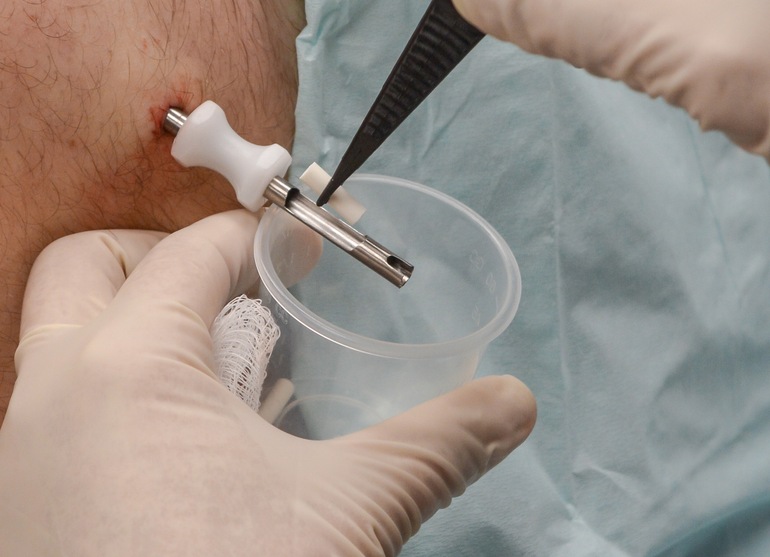
The pellet insertion procedure is typically quick and straightforward, but it does involve a minor surgical process. Here’s what you can expect:
-
Preparation: The insertion site (usually the hip area) is cleaned and numbed with a local anesthetic.
-
Incision: A small incision is made in the skin.
-
Insertion: The pellet(s) are placed under the skin using a special instrument.
-
Closure: The incision is closed with surgical glue or tape.
-
Recovery: Most people can return to normal activities quickly, though strenuous exercise is usually discouraged for a few days.
The entire process often takes less than 30 minutes. While generally safe, as with any procedure, there are risks such as infection or pellet extrusion to consider.