Hidden Differences Between Semaglutide and Tirzepatide for Weight Loss
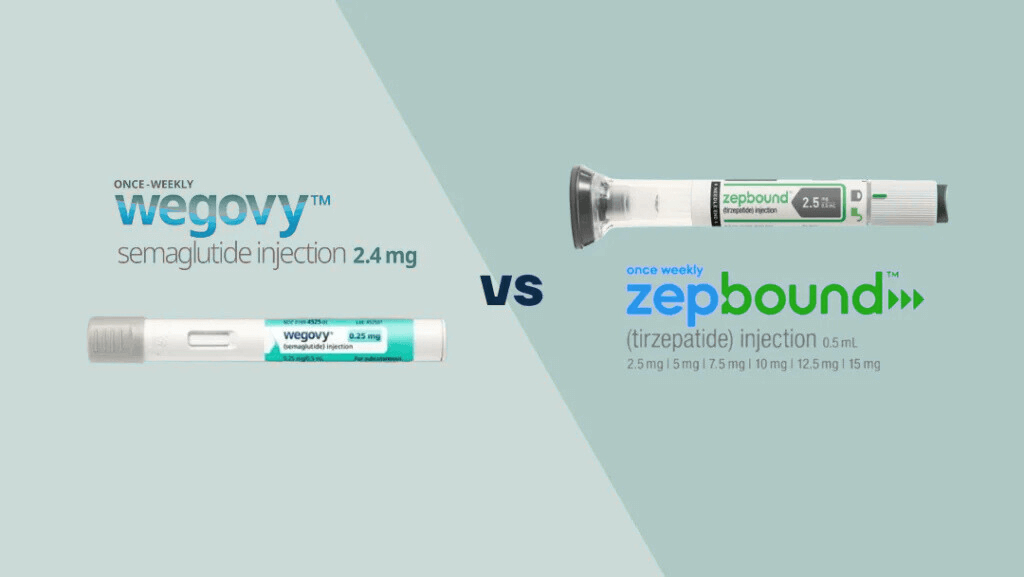
Differences between Semaglutide and Tirzepatide. If you’ve been keeping an eye on the latest weight loss treatments, you’ve probably heard the buzz about Semaglutide and Tirzepatide. These two medications have been making waves in the world of weight management, and for good reason. As a medical weight loss expert, I’ve been using these drugs for my patients and I’ve got to say, the results are pretty impressive. But here’s the thing – while both Semaglutide and Tirzepatide can help you lose weight, they’re not exactly the same. I thought it might be helpful to break down the key differences between these two medications. After all, if you’re considering either one as part of your weight loss plan, you’ll want to know what you’re getting into, right? So, grab a cup of coffee (or tea, if that’s more your thing), and let’s dive into the nitty-gritty of Semaglutide and Tirzepatide. By the time we’re done, you’ll have a better idea of how these drugs work and which one might be a better fit for your weight loss journey. Ready? Let’s get started! Semaglutide: Semaglutide is a GLP-1 RA that has been approved for the treatment of type 2 diabetes at lower doses. However, at a higher dose, Semaglutide has also demonstrated significant weight loss effects in individuals with obesity. The higher dose of Semaglutide for weight loss is marketed under the brand name Wegovy. Clinical trials have shown that Semaglutide can lead to substantial weight loss, with some studies reporting an average weight reduction of over 15% of initial body weight. Tirzepatide: Tirzepatide is a dual glucose-dependent insulinotropic polypeptide (GIP) and GLP-1 receptor agonist that is being investigated for its potential in weight management. This novel medication has shown promising results in early clinical trials, with significant reductions in body weight observed across various patient populations. Tirzepatide is being studied for its efficacy in both individuals with obesity and those with type 2 diabetes, highlighting its potential as a versatile treatment option. READ ALSO: Costs and Benefits of Semaglutide and Tirzepatide for Weight Loss (New Update) Key Differences Between Semaglutide and Tirzepatide How They Work in Your Body Semaglutide: Tirzepatide: How You Take the Medicine Semaglutide: Taken as a weekly injection under the skin Tirzepatide: Also taken as a weekly injection Researchers are looking into a monthly option, which could be more convenient [5] Weight Loss Results While both medications show impressive results, early studies suggest Tirzepatide might lead to slightly more weight loss. Semaglutide: People lost an average of 15% of their body weight in clinical trials [2] Tirzepatide: In studies, some people lost up to 22.5% of their body weight [6] However, it’s important to note that these medications haven’t been directly compared in the same study yet. Side Effects Both medications can cause similar side effects, most commonly affecting the digestive system. These may include: The long-term safety of Tirzepatide is still being studied, while we have more information about Semaglutide’s safety over time [7]. Availability and Approval READ ALSO: Semaglutide and Tirzepatide: Powerful Weight Loss Medications, Side Effects, and Risks Semaglutide: Tirzepatide: Making an Informed Decision When considering these medications for weight loss, keep in mind: Talk to Your Doctor: Discuss which option might be best for you based on your health history and weight loss goals. Consider Your Preferences: Think about whether you’re comfortable with weekly injections and potential side effects. Look at the Big Picture: Remember that these medications work best when combined with a healthy diet and regular exercise. Stay Informed: As Tirzepatide is still being studied for weight loss, new information may become available in the future. Conclusion Both Semaglutide and Tirzepatide show great promise in helping people lose weight. While Semaglutide is already approved for weight loss, Tirzepatide might offer even greater benefits in the future. As research continues, we’ll learn more about how these medications compare in the long run. Always consult with your healthcare provider to determine the best approach for your individual needs and circumstances. Book your weight loss consultation here References: [1] Nauck, M. A., & Meier, J. J. (2018). Incretin hormones: Their role in health and disease. Diabetes, Obesity and Metabolism, 20, 5-21. [2] Wilding, J. P. H., et al. (2021). Once-Weekly Semaglutide in Adults with Overweight or Obesity. New England Journal of Medicine, 384(11), 989-1002. [3] Frías, J. P., et al. (2021). Tirzepatide versus Semaglutide Once Weekly in Patients with Type 2 Diabetes. New England Journal of Medicine, 385(6), 503-515. [4] Min, T., & Bain, S. C. (2021). The Role of Tirzepatide, Dual GIP and GLP-1 Receptor Agonist, in the Management of Type 2 Diabetes: The SURPASS Clinical Trials. Diabetes Therapy, 12(1), 143-157. [5] Rosenstock, J., et al. (2021). Efficacy and safety of a novel dual GIP and GLP-1 receptor agonist tirzepatide in patients with type 2 diabetes (SURPASS-1): a double-blind, randomised, phase 3 trial. The Lancet, 398(10295), 143-155. [6] Jastreboff, A. M., et al. (2022). Tirzepatide Once Weekly for the Treatment of Obesity. New England Journal of Medicine, 387(3), 205-216. [7] American Diabetes Association. (2022). 9. Pharmacologic Approaches to Glycemic Treatment: Standards of Medical Care in Diabetes—2022. Diabetes Care, 45(Supplement_1), S125-S143.
Semaglutide and Tirzepatide: Powerful Weight Loss Medications, Side Effects, and Risks
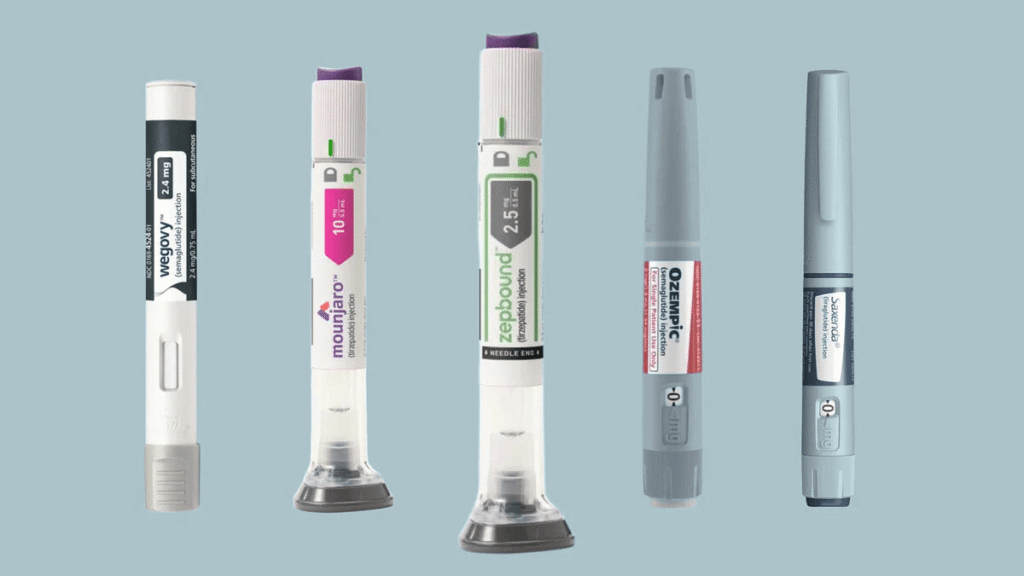
Are you considering medication to help with weight loss? Two drugs that have been making headlines are Semaglutide and Tirzepatide. While these medications show promise, it’s crucial to understand their potential side effects and risks before starting treatment. Let’s break down what you need to know about these weight loss aids. What are Semaglutide and Tirzepatide? Semaglutide and Tirzepatide are medications initially developed to treat type 2 diabetes. They work by mimicking hormones in your body that help control blood sugar and appetite. Recently, they’ve gained attention for their effectiveness in promoting weight loss [1][2]. Semaglutide: The Appetite Suppressor Semaglutide works by imitating a hormone called GLP-1, which helps you feel full and reduces hunger. When used at higher doses, it can lead to significant weight loss in people with obesity [3]. Common side effects of Semaglutide may include: In rare cases, more serious side effects like inflammation of the pancreas (pancreatitis) or kidney problems may occur [4]. Tirzepatide: The Dual-Action Weight Loss Aid Tirzepatide is a newer medication that targets two hormones involved in controlling blood sugar and appetite: GIP and GLP-1. This dual action may make it even more effective for weight loss [5]. Common side effects of Tirzepatide may include: Who Should Be Cautious about Semaglutide and Tirzepatide? While these medications can be helpful for many people, they’re not suitable for everyone. You should be cautious about using Semaglutide or Tirzepatide if you have a history of: Importantly, pregnant or breastfeeding women should not use these medications, as their safety during pregnancy and breastfeeding hasn’t been established [6]. What Does the Research Say about Semaglutide and Tirzepatide? Recent studies have shown promising results for both medications: A study published in the New England Journal of Medicine found that people taking Semaglutide lost an average of 14.9% of their body weight over 68 weeks [7]. Research on Tirzepatide, published in the same journal, showed that participants lost up to 22.5% of their body weight over 72 weeks [8]. While these results are impressive, it’s important to remember that these medications work best when combined with a healthy diet and regular exercise. Making an Informed Decision If you’re considering Semaglutide or Tirzepatide for weight loss, here are some steps to take: Consult with your doctor: They can evaluate your individual health needs and risks. Discuss potential side effects: Make sure you understand what to expect and when to seek help. Consider your lifestyle: These medications work best alongside healthy eating and exercise habits. Monitor your progress: Regular check-ups can help ensure the medication is working safely and effectively for you. Remember, there’s no one-size-fits-all solution for weight loss. What works best for you will depend on your individual health profile, lifestyle, and goals. Conclusion Semaglutide and Tirzepatide offer new hope for those struggling with weight loss, but they come with potential side effects and risks. By understanding these factors and working closely with your healthcare provider, you can make an informed decision about whether these medications are right for you. Always prioritize your health and safety in your weight loss journey. Book your medical weight loss consultation with us now. References: [1] U.S. Food and Drug Administration. (2021). FDA Approves New Drug Treatment for Chronic Weight Management, First Since 2014. [2] Frías, J. P., et al. (2021). Tirzepatide versus Semaglutide Once Weekly in Patients with Type 2 Diabetes. New England Journal of Medicine, 385(6), 503-515. [3] Wilding, J. P. H., et al. (2021). Once-Weekly Semaglutide in Adults with Overweight or Obesity. New England Journal of Medicine, 384(11), 989-1002. [4] National Institute of Diabetes and Digestive and Kidney Diseases. (2021). Prescription Medications to Treat Overweight & Obesity. [5] Rosenstock, J., et al. (2021). Efficacy and Safety of a Novel Dual GIP and GLP-1 Receptor Agonist Tirzepatide in Patients with Type 2 Diabetes (SURPASS-1): A Double-Blind, Randomised, Phase 3 Trial. The Lancet, 398(10295), 143-155. [6] American Diabetes Association. (2022). Standards of Medical Care in Diabetes—2022. [7] Wilding, J. P. H., et al. (2021). Once-Weekly Semaglutide in Adults with Overweight or Obesity. New England Journal of Medicine, 384(11), 989-1002. [8] Jastreboff, A. M., et al. (2022). Tirzepatide Once Weekly for the Treatment of Obesity. New England Journal of Medicine, 387(3), 205-216.