Starting a new medication can feel like stepping into the unknown, especially when it comes to understanding and managing the side effects of GLP-1 treatments. If you’re grappling with gastrointestinal symptoms such as nausea, constipation, or heartburn, rest assured you’re not alone—and there are ways to make this journey smoother. Whether you’re a patient, caregiver, or simply curious, knowing how to effectively handle these common issues can make a world of difference. Let’s dive into some practical and friendly tips for easing your GI discomfort, so you can stay focused on achieving your health and wellness goals. Ready to take control and feel better? Let’s get started!
Understanding GLP-1 Side Effects
Before we dive into managing GLP-1 side effects, it’s important to understand what they are and why they occur. This knowledge will help you take control of your health journey and feel more confident in your treatment.
Common Gastrointestinal Symptoms
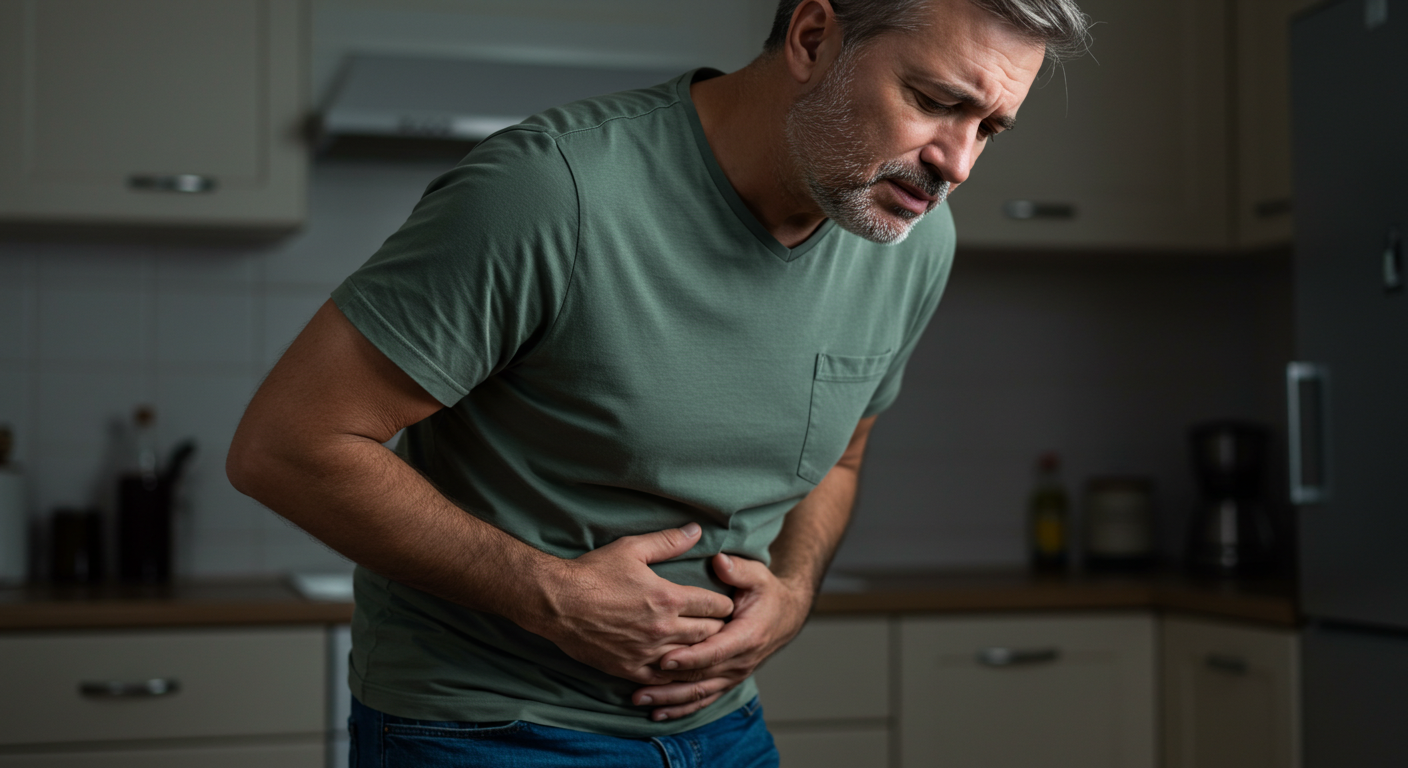
When starting GLP-1 medications, you might experience some tummy troubles. Don’t worry, it’s normal and usually temporary!
The most common GI symptoms include nausea, vomiting, and constipation. Some people also report feeling bloated or having acid reflux. These side effects can be uncomfortable, but they’re usually not serious.
Remember, everyone’s body reacts differently. You might have all of these symptoms, just a few, or none at all. The key is to stay in touch with your doctor and let them know how you’re feeling.
If you’re concerned about side effects, keep a symptom diary. This can help you and your healthcare provider track any changes and adjust your treatment if needed.
Why GLP-1 Causes GI Issues
Ever wondered why GLP-1 medications can upset your stomach? Let’s break it down in simple terms.
GLP-1 medications work by slowing down your digestion. This helps you feel full longer and can lead to weight loss. But this slowdown can also cause some temporary tummy troubles.
Think of it like traffic on a highway. When things slow down, there can be some congestion. In your body, this “congestion” can lead to nausea or constipation.
The good news is that these side effects often improve as your body gets used to the medication. It’s like your digestive system is learning a new rhythm.
Remember, these effects are actually a sign that the medication is working. But if they’re too bothersome, don’t hesitate to talk to your doctor about adjusting your treatment.
Impact on Daily Life
Living with GI side effects can be challenging, but don’t let it discourage you. Many people find ways to manage these symptoms and still enjoy their daily activities.
You might need to plan your meals differently or be more mindful of what you eat. Some people find they need to stay closer to home, especially when first starting the medication.
Despite these challenges, many patients report that the benefits of GLP-1 medications outweigh the side effects. They often experience improved blood sugar control and significant weight loss.
Remember, it’s all about finding what works for you. With some patience and the right strategies, you can minimize the impact on your daily life and focus on your health goals.
If you’re struggling, reach out to your healthcare team or connect with others who are on the same journey. You’re not alone in this!
Patient Tips for Managing GI Issues
Now that we understand the side effects, let’s explore some practical ways to manage them. These tips come from both medical professionals and patients who’ve successfully navigated GLP-1 treatment.
Coping with Nausea and Vomiting
Feeling queasy? Don’t worry, there are ways to ease the nausea and keep your treatment on track.
Start by eating smaller meals more frequently throughout the day. This can help prevent overwhelming your stomach. Try to eat slowly and chew your food well.
Ginger can be a great natural remedy for nausea. Try sipping on ginger tea or sucking on ginger candies. Some patients find that peppermint or chamomile tea can also help.
Avoid foods that trigger your nausea. Common culprits include spicy, fatty, or very sweet foods. Instead, opt for bland, easily digestible options like crackers, toast, or bananas.
If nausea persists, talk to your doctor about anti-nausea medications that are safe to use with your GLP-1 treatment. They might be able to prescribe something to help you feel more comfortable.
Remember, nausea often improves over time as your body adjusts to the medication. Stay positive and keep communicating with your healthcare team.
Easing Constipation and Heartburn
Dealing with constipation or heartburn? These tips can help you find relief and keep your digestive system happy.
For constipation:
-
Increase your fiber intake gradually. Think fruits, vegetables, and whole grains.
-
Stay hydrated by drinking plenty of water throughout the day.
-
Try to move more. Regular exercise can help keep things moving.
-
Consider a gentle stool softener or fiber supplement, but check with your doctor first.
For heartburn:
-
Avoid lying down right after meals. Try to eat your last meal at least 3 hours before bedtime.
-
Elevate your head while sleeping. An extra pillow can make a big difference.
-
Steer clear of trigger foods like citrus, tomatoes, chocolate, and caffeine.
-
Wear loose-fitting clothes to reduce pressure on your stomach.
If these strategies don’t provide enough relief, talk to your healthcare provider. They might recommend over-the-counter remedies that are safe to use with your GLP-1 medication.
Addressing Fatigue and Other Symptoms
Feeling tired all the time? You’re not alone. Fatigue is a common side effect, but there are ways to boost your energy.
First, make sure you’re getting enough sleep. Aim for 7-9 hours each night. If you’re having trouble sleeping, try creating a relaxing bedtime routine.
Stay active, even when you’re feeling tired. Regular exercise can actually increase your energy levels. Start with gentle activities like walking or yoga.
Eat a balanced diet rich in nutrients. Focus on whole foods and lean proteins to fuel your body. Avoid sugary snacks that can lead to energy crashes.
Other symptoms like headaches or dizziness can sometimes occur. If you experience these, make sure you’re staying hydrated and eating regularly.
Don’t hesitate to reach out to your healthcare provider if fatigue or other symptoms are impacting your quality of life. They might want to check for other underlying causes or adjust your treatment plan.
Practical Lifestyle Adjustments
Making some simple changes to your daily routine can go a long way in managing GLP-1 side effects. Let’s explore some practical adjustments that can help you feel your best while on this medication.
Dietary Changes for Relief
Tweaking your diet can make a big difference in managing GI symptoms. Here are some tips to help you eat well and feel good.
Focus on eating nutrient-dense, easily digestible foods. Lean proteins, whole grains, and plenty of fruits and vegetables are your friends. These foods provide essential nutrients while being gentle on your digestive system.
Try to eat smaller, more frequent meals throughout the day. This can help prevent overwhelming your digestive system and reduce the likelihood of nausea.
Experiment with different foods to find what works best for you. Some people find that cold foods are easier to tolerate when feeling nauseous.
Keep a food diary to track how different foods affect you. This can help you identify any personal trigger foods that worsen your symptoms.
Remember, everyone’s body is different. What works for one person might not work for another. Be patient with yourself as you find the diet that works best for you.
Importance of Hydration
Staying well-hydrated is crucial when managing GLP-1 side effects. Here’s why it matters and how to do it right.
Aim to drink at least 8 glasses of water per day. This can help prevent constipation and keep your body functioning optimally.
If you’re experiencing nausea, try sipping small amounts of water frequently rather than drinking large quantities at once. This can be easier on your stomach.
Consider incorporating hydrating foods into your diet. Cucumbers, watermelon, and soups can contribute to your daily fluid intake.
Herbal teas, particularly ginger or peppermint, can be soothing for nausea and help contribute to your hydration. Just be mindful of caffeine, which can be dehydrating.
Remember, beverages like coffee and alcohol can be dehydrating, so consume these in moderation and balance them with extra water intake.

Seeking Professional Support
While self-management strategies are important, professional support is crucial for navigating GLP-1 treatment successfully. Here’s how to get the help you need.
Regular check-ins with your healthcare provider are essential. They can monitor your progress, address any persistent side effects, and adjust your treatment if needed.
Consider working with a registered dietitian. They can help you create a personalized meal plan that supports your treatment goals while minimizing side effects.
Don’t hesitate to reach out if you’re struggling with symptoms or have concerns about your treatment. Your healthcare team is there to support you.
Support groups, either in-person or online, can provide valuable insights from others going through similar experiences. Sharing tips and experiences can be both informative and emotionally supportive.
Remember, you’re not alone in this journey. With the right support, you can successfully manage your GLP-1 treatment and achieve your health goals.