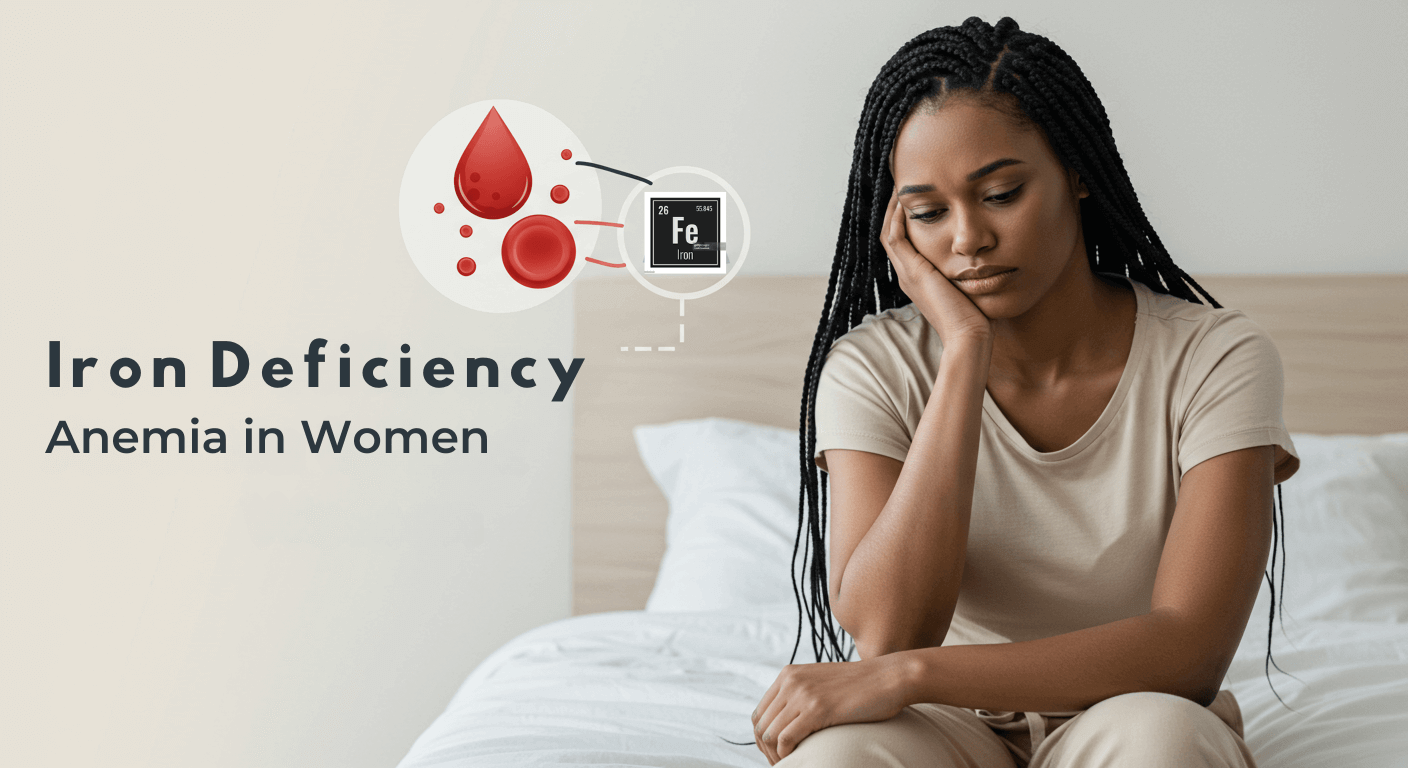
Iron deficiency anemia is a common condition that occurs when the body does not have enough iron to produce hemoglobin, the protein in red blood cells that carries oxygen to tissues throughout the body.
Women are particularly susceptible to iron deficiency anemia due to blood loss during menstruation and the increased iron demands of pregnancy.
What is Iron Deficiency Anemia?
Iron deficiency anemia happens when your body lacks sufficient iron to make healthy red blood cells. These cells are crucial for carrying oxygen to all parts of your body.
Without enough iron, you may feel tired, and weak, and experience other uncomfortable symptoms.
Causes of Iron Deficiency Anemia in Females

Menstruation: Monthly blood loss during periods can deplete iron stores.
Pregnancy: Growing a baby requires extra iron to support increased blood volume and fetal development.
Dietary choices: Some diets may not provide enough iron-rich foods.
Health conditions: Certain gastrointestinal issues can interfere with iron absorption.
Signs and Symptoms of Iron Deficiency Anemia
Iron deficiency anemia can develop slowly, and symptoms may not be noticeable at first. Here are some common signs to watch for:
Fatigue and Weakness: Feeling unusually tired or weak, even after getting enough sleep.
Pale Skin: A lighter or yellowish skin tone may indicate low hemoglobin levels.
Shortness of Breath: Difficulty breathing, especially during physical activities.
Headaches and Dizziness: Frequent headaches or feeling lightheaded.
Cold Hands and Feet: Poor circulation due to low hemoglobin can cause cold extremities.
Brittle Nails: Nails may become fragile or develop a spoon-like shape (koilonychia).
Unusual Cravings: Known as pica, this can include cravings for non-food items like ice, dirt, or starch.
If you experience any of these symptoms, especially if they persist, it’s essential to consult your healthcare provider for proper diagnosis and treatment.
Complications:
When left untreated, iron deficiency anemia can lead to various health issues:
Heart Problems: The heart may work harder to pump oxygen-rich blood, potentially leading to irregular heartbeats or heart failure in severe cases.
Cognitive Issues: Lack of oxygen to the brain can cause difficulty concentrating and memory problems.
Weakened Immune System: Iron deficiency can make you more susceptible to infections and illnesses.
Pregnancy Complications: Anemia during pregnancy may increase the risk of preterm birth and low birth weight.
Restless Leg Syndrome: Some studies suggest a link between iron deficiency and this uncomfortable condition.
Reduced Physical Performance: Low iron levels can impact endurance and overall physical capacity.
Hair Loss: Severe iron deficiency anemia can lead to hair loss or thinning due to inadequate oxygen and nutrient supply to the hair follicles.
Delayed Growth and Development in Children: Children with iron deficiency anemia may experience delays in growth, development, and cognitive function if the condition is not addressed promptly.
Increased Risk of Chronic Conditions: Prolonged iron deficiency anemia may increase the risk of developing chronic conditions such as heart disease, diabetes, and certain types of cancer due to the impact on overall health and immune function.
Diagnosing Iron Deficiency Anemia
If you suspect you have iron deficiency anemia, your healthcare provider will likely:
- Perform a physical exam
- Ask about your medical history and symptoms
- Order blood tests to check your iron levels and complete blood count (CBC)
Treatment Options for Iron Deficiency Anemia

Once diagnosed, there are several ways to treat iron deficiency anemia:
Iron-Rich Diet: Incorporate foods high in iron, such as:
- Lean red meat
- Poultry and fish
- Beans and lentils
- Dark leafy greens (spinach, kale)
- Iron-fortified cereals and bread.
Iron Supplements: Your doctor may recommend iron supplements to boost your levels quickly. These are available in various forms, including pills, liquids, and even intravenous (IV) infusions for severe cases.
Vitamin C: Consuming vitamin C-rich foods or taking a supplement can enhance iron absorption. Good sources include citrus fruits, berries, and bell peppers.
Avoid Iron Inhibitors: Some foods and drinks can interfere with iron absorption.
Try to avoid consuming these with iron-rich meals:
- Coffee and tea
- Calcium-rich foods
- Whole grains and legumes (in large amounts)
Treat Underlying Conditions: If your iron deficiency is due to a gastrointestinal issue or heavy menstrual bleeding, addressing these underlying causes is crucial.
Blood Transfusion: In rare, severe cases of anemia, a blood transfusion may be necessary to quickly increase red blood cell count.
Preventing Iron Deficiency Anemia
To reduce your risk of developing iron deficiency anemia:
- Eat a balanced diet rich in iron
- Consider iron supplements if you’re at high risk (consult your doctor first)
- Treat underlying health conditions promptly
- Get regular check-ups, especially if you’re pregnant or have heavy periods
Conclusion
Iron deficiency anemia is a common but manageable condition in females. By understanding its causes, recognizing the symptoms, and seeking timely treatment, women can prevent complications and maintain good health.
If you suspect you may have iron deficiency anemia, don’t hesitate to consult your healthcare provider. With proper care and attention to your iron intake, you can overcome this condition and enjoy improved energy, focus, and overall well-being.
Remember, early detection and treatment of iron deficiency anemia are key to preventing complications and ensuring a healthy, active lifestyle. Stay informed, listen to your body, and prioritize your health!