Iron Deficiency Anemia in Females: Understanding Causes, Symptoms, and Treatment Options

Iron deficiency anemia is a common condition that occurs when the body does not have enough iron to produce hemoglobin, the protein in red blood cells that carries oxygen to tissues throughout the body. Women are particularly susceptible to iron deficiency anemia due to blood loss during menstruation and the increased iron demands of pregnancy. What is Iron Deficiency Anemia? Iron deficiency anemia happens when your body lacks sufficient iron to make healthy red blood cells. These cells are crucial for carrying oxygen to all parts of your body. Without enough iron, you may feel tired, and weak, and experience other uncomfortable symptoms. Causes of Iron Deficiency Anemia in Females Menstruation: Monthly blood loss during periods can deplete iron stores. Pregnancy: Growing a baby requires extra iron to support increased blood volume and fetal development. Dietary choices: Some diets may not provide enough iron-rich foods. Health conditions: Certain gastrointestinal issues can interfere with iron absorption. Signs and Symptoms of Iron Deficiency Anemia Iron deficiency anemia can develop slowly, and symptoms may not be noticeable at first. Here are some common signs to watch for: Fatigue and Weakness: Feeling unusually tired or weak, even after getting enough sleep. Pale Skin: A lighter or yellowish skin tone may indicate low hemoglobin levels. Shortness of Breath: Difficulty breathing, especially during physical activities. Headaches and Dizziness: Frequent headaches or feeling lightheaded. Cold Hands and Feet: Poor circulation due to low hemoglobin can cause cold extremities. Brittle Nails: Nails may become fragile or develop a spoon-like shape (koilonychia). Unusual Cravings: Known as pica, this can include cravings for non-food items like ice, dirt, or starch. If you experience any of these symptoms, especially if they persist, it’s essential to consult your healthcare provider for proper diagnosis and treatment. Complications: When left untreated, iron deficiency anemia can lead to various health issues: Heart Problems: The heart may work harder to pump oxygen-rich blood, potentially leading to irregular heartbeats or heart failure in severe cases. Cognitive Issues: Lack of oxygen to the brain can cause difficulty concentrating and memory problems. Weakened Immune System: Iron deficiency can make you more susceptible to infections and illnesses. Pregnancy Complications: Anemia during pregnancy may increase the risk of preterm birth and low birth weight. Restless Leg Syndrome: Some studies suggest a link between iron deficiency and this uncomfortable condition. Reduced Physical Performance: Low iron levels can impact endurance and overall physical capacity. Hair Loss: Severe iron deficiency anemia can lead to hair loss or thinning due to inadequate oxygen and nutrient supply to the hair follicles. Delayed Growth and Development in Children: Children with iron deficiency anemia may experience delays in growth, development, and cognitive function if the condition is not addressed promptly. Increased Risk of Chronic Conditions: Prolonged iron deficiency anemia may increase the risk of developing chronic conditions such as heart disease, diabetes, and certain types of cancer due to the impact on overall health and immune function. Diagnosing Iron Deficiency Anemia If you suspect you have iron deficiency anemia, your healthcare provider will likely: Treatment Options for Iron Deficiency Anemia Once diagnosed, there are several ways to treat iron deficiency anemia: Iron-Rich Diet: Incorporate foods high in iron, such as: Iron Supplements: Your doctor may recommend iron supplements to boost your levels quickly. These are available in various forms, including pills, liquids, and even intravenous (IV) infusions for severe cases. Vitamin C: Consuming vitamin C-rich foods or taking a supplement can enhance iron absorption. Good sources include citrus fruits, berries, and bell peppers. Avoid Iron Inhibitors: Some foods and drinks can interfere with iron absorption. Try to avoid consuming these with iron-rich meals: Treat Underlying Conditions: If your iron deficiency is due to a gastrointestinal issue or heavy menstrual bleeding, addressing these underlying causes is crucial. Blood Transfusion: In rare, severe cases of anemia, a blood transfusion may be necessary to quickly increase red blood cell count. Preventing Iron Deficiency Anemia To reduce your risk of developing iron deficiency anemia: Conclusion Iron deficiency anemia is a common but manageable condition in females. By understanding its causes, recognizing the symptoms, and seeking timely treatment, women can prevent complications and maintain good health. If you suspect you may have iron deficiency anemia, don’t hesitate to consult your healthcare provider. With proper care and attention to your iron intake, you can overcome this condition and enjoy improved energy, focus, and overall well-being. Remember, early detection and treatment of iron deficiency anemia are key to preventing complications and ensuring a healthy, active lifestyle. Stay informed, listen to your body, and prioritize your health!
The Essential B Vitamins Guide: Understanding Their Types and Health Benefits
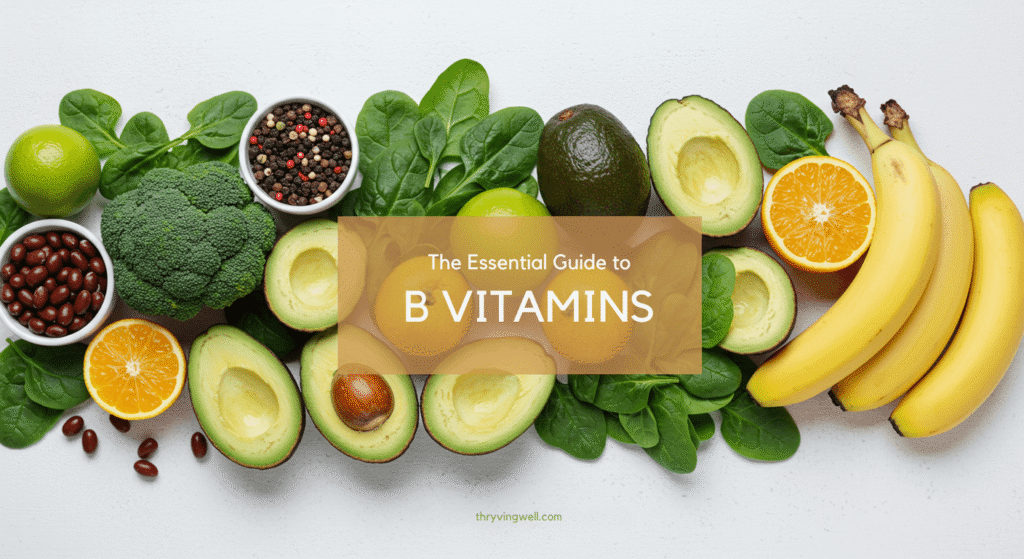
Are you curious about the buzz surrounding B vitamins? These powerful nutrients play a crucial role in keeping our bodies running smoothly. In this essential B vitamins guide, we’ll explore the different types of B vitamins and their amazing benefits for your health. Let’s dive in and discover how these vitamins can boost your well-being! What Are B Vitamins? B vitamins are a group of eight essential nutrients that help our bodies function properly. They’re like tiny superheroes working behind the scenes to keep us healthy and energized. These vitamins are water-soluble, which means our bodies don’t store them, so we need to get them regularly through our diet or supplements. The 8 B Vitamins and Their Benefits B1 (Thiamine): The Energy Booster Benefits: Food sources: Whole grains, nuts, seeds, pork, and beans [1] B2 (Riboflavin): The Cell Protector Benefits: Food sources: Dairy products, lean meats, leafy green vegetables, and almonds [2] B3 (Niacin): The Heart Helper Benefits: Food sources: Fish, chicken, peanuts, whole grains, and beans [3] B5 (Pantothenic Acid): The Metabolism Supporter Benefits: Food sources: Avocados, chicken, whole grains, and mushrooms [4] B6 (Pyridoxine): The Brain Booster Benefits: Food sources: Bananas, potatoes, chicken, fish, and chickpeas [5] B7 (Biotin): The Beauty Vitamin Benefits: Food sources: Eggs, nuts, seeds, sweet potatoes, and salmon [6] B9 (Folate or Folic Acid): The Cell Builder Benefits: Food sources: Leafy green vegetables, citrus fruits, beans, and fortified grains [7] B12 (Cobalamin): The Nerve Protector Benefits: Food sources: Meat, fish, eggs, dairy, and fortified foods for vegetarians and vegans [8] Why Are B Vitamins Important? B vitamins work together to keep your body running smoothly. They help: How to Get Enough B Vitamins The best way to get B vitamins is through a balanced diet. Try to include a variety of foods like: Some people might need extra B vitamins, especially: If you think you might need more B vitamins, talk to your doctor or a registered dietitian. They can help you decide if supplements are right for you. Conclusion B vitamins are essential for keeping your body healthy and energized. By eating a balanced diet rich in B vitamin sources, you can support your overall health and well-being. Remember, these vitamins work best as a team, so aim for a variety of B vitamin-rich foods in your diet. If you have concerns about your B vitamin intake, don’t hesitate to consult with a healthcare professional for personalized advice. References: [1] National Institutes of Health. (2021). Thiamin – Fact Sheet for Health Professionals. [2] National Institutes of Health. (2021). Riboflavin – Fact Sheet for Health Professionals. [3] National Institutes of Health. (2021). Niacin – Fact Sheet for Health Professionals. [4] National Institutes of Health. (2021). Pantothenic Acid – Fact Sheet for Health Professionals. [5] National Institutes of Health. (2021). Vitamin B6 – Fact Sheet for Health Professionals. [6] National Institutes of Health. (2021). Biotin – Fact Sheet for Health Professionals. [7] National Institutes of Health. (2021). Folate – Fact Sheet for Health Professionals. [8] National Institutes of Health. (2021). Vitamin B12 – Fact Sheet for Health Professionals.
The fastest ways to lose weight: Is there such a thing?

The fastest ways to lose weight. As a medical provider specializing in medical weight loss, I understand the desire many individuals have to shed excess pounds quickly. While rapid weight loss can be tempting, it’s important to approach it in a safe and sustainable manner to avoid potential health risks and setbacks. In this blog post, I will discuss the fastest ways to lose weight while keeping your health a top priority. Consult a healthcare professional: Before embarking on any weight loss journey, it’s crucial to consult with a healthcare provider or a medical weight loss specialist. They can help you create a personalized plan that takes into account your current health status, any underlying medical conditions, and your weight loss goals. Focus on nutrition: One of the most effective ways to lose weight quickly and healthily is to pay close attention to your nutrition. Opt for whole, nutrient-dense foods such as fruits, vegetables, lean proteins, whole grains, and healthy fats. Avoid processed foods, sugary beverages, and excessive amounts of saturated and trans fats. Mindful eating: Practicing mindful eating can help you become more aware of your hunger cues and prevent overeating. Take the time to savor your meals, chew slowly, and listen to your body’s signals of fullness. Consider intermittent fasting: Intermittent fasting is an eating pattern that cycles between periods of eating and fasting. This approach can help reduce calorie intake and optimize hormone levels to support weight loss. Consult with a healthcare provider before starting an intermittent fasting regimen. Avoid crash diets: While crash diets may promise rapid weight loss, they are often unsustainable and can lead to nutrient deficiencies, muscle loss, and metabolic slowdown. Focus on making gradual and sustainable lifestyle changes that you can maintain in the long term. Stay hydrated: Drinking plenty of water throughout the day can help boost your metabolism, curb cravings, and support overall weight loss efforts. Aim to drink at least 8-10 glasses of water daily, and consider replacing sugary beverages with water or herbal teas. Incorporate physical activity: While diet plays a significant role in weight loss, incorporating regular physical activity is crucial for burning calories, building muscle, and improving overall health. Aim for a combination of cardiovascular exercise, strength training, and flexibility exercises to support your weight loss goals. Get enough sleep: Lack of sleep can disrupt your body’s hunger hormones and metabolism, making it harder to lose weight. Aim for 7-9 hours of quality sleep each night to support your weight loss efforts. Manage stress: Chronic stress can lead to emotional eating and weight gain. Practice stress-reducing techniques such as mindfulness, meditation, yoga, or deep breathing exercises to help manage stress levels and support your weight loss journey. READ ALSO: Powerful Benefits Of Oral Semaglutide for Weight Loss Consider medical interventions: In some cases, medical interventions such as prescription weight loss medications or bariatric surgery may be necessary for individuals with severe obesity or weight-related health conditions. Consult with a healthcare provider to determine if these options are appropriate for you. Remember, sustainable weight loss takes time and patience. While it’s natural to want to see quick results, focusing on making healthy lifestyle changes and habits will lead to long-term success and overall well-being. Prioritize your health and well-being above all else, and you will be on your way to achieving your weight loss goals in a safe and sustainable manner.
Top 5 Healthy Snacks for Weight Loss

When it comes to managing weight and staying healthy, choosing nutritious snacks can make a significant difference. Snacking can be a great way to curb hunger between meals and prevent overeating later in the day. However, not all snacks are created equal. Opting for nutrient-dense, satisfying snacks can support your weight loss goals while providing essential nutrients. Here are the top five healthy snacks for weight loss: 1. Greek Yogurt with Berries Greek yogurt is a protein-rich snack that can help you feel full and satisfied. Pairing it with fresh berries adds natural sweetness and fiber, making it a delicious and nutritious option. Berries are also packed with antioxidants, vitamins, and minerals. This snack provides a good balance of protein, fiber, and healthy carbohydrates to keep you energized and satisfied. 2. Mixed Nuts A handful of mixed nuts is a convenient and satisfying snack that provides healthy fats, protein, and fiber. Nuts like almonds, walnuts, and cashews are rich in heart-healthy fats and can help keep you full between meals. Just be mindful of portion sizes, as nuts are calorie-dense. Opt for unsalted or lightly salted varieties to keep sodium intake in check. 3. Vegetable Sticks with Hummus Vegetable sticks, such as carrots, bell peppers, and cucumber, are low in calories and high in fiber, vitamins, and minerals. Pairing them with hummus, a creamy dip made from chickpeas, adds protein and additional fiber. Hummus is a great source of plant-based protein and can help you feel satisfied. This snack is both crunchy and flavorful, making it a delicious and nutritious option for weight loss. 4. Hard-Boiled Eggs Hard-boiled eggs are a portable and protein-packed snack that can help keep hunger at bay. Eggs are rich in high-quality protein, essential vitamins, and minerals. They are also low in calories, making them a filling and nutrient-dense snack option. Enjoy a hard-boiled egg on its own or pair it with a small serving of whole-grain crackers for a balanced snack. READ ALSO: Powerful Benefits Of Oral Semaglutide for Weight Loss 5. Apple Slices with Almond Butter Apple slices paired with almond butter make for a satisfying and delicious snack that combines natural sweetness with healthy fats and protein. Apples are rich in fiber and antioxidants, while almond butter provides heart-healthy fats and protein. This snack is a perfect balance of carbohydrates, fats, and protein, making it a great option for curbing cravings and supporting weight loss goals. Choosing nutrient-dense snacks like these can help you stay on track with your weight loss journey while nourishing your body with essential nutrients. Remember to listen to your body’s hunger cues and choose snacks that satisfy your cravings while supporting your health goals. Incorporating a variety of whole foods into your diet can help you maintain a balanced and sustainable approach to weight loss. Want to lose weight Medically? Check here.
?Is Fasting for weight loss effective?

As a medical provider specializing in medical weight loss, I often have patients inquire about the effectiveness of fasting for weight loss. Fasting has gained popularity in recent years as a potential strategy for shedding pounds quickly, but it’s essential to understand both the pros and cons before incorporating fasting into your weight loss journey. In this blog post, I will discuss how fasting may affect weight loss, along with the potential pros and cons associated with this approach. Fasting is the practice of abstaining from food or drinks for a specific period of time. Intermittent fasting is a specific eating pattern that alternates between periods of eating and fasting. This approach does not dictate specific foods to eat but rather focuses on when to eat them. There are several popular methods of intermittent fasting, including: 16/8 method: This method involves fasting for 16 hours each day and restricting your eating window to 8 hours. For example, you may choose to eat between 12 pm and 8 pm, then fast until the next day at 12 pm. 5:2 diet: In this approach, you eat normally for five days a week and restrict your calorie intake to around 500-600 calories on the remaining two days. Eat-Stop-Eat: This method involves fasting for 24 hours once or twice a week. For example, you may choose not to eat from dinner one day until dinner the next day. Alternate-day fasting: With this method, you alternate between days of regular eating and fasting. On fasting days, you may consume minimal calories or no food at all. Pros of Fasting for Weight Loss: Caloric Restriction: Fasting typically leads to a reduction in overall caloric intake, which can create a calorie deficit necessary for weight loss. By restricting the window of time in which you eat, fasting can help control portion sizes and prevent excessive calorie consumption. Enhanced Fat Burn: During fasting periods, your body may rely more on stored fat for energy, leading to increased fat burning and potential weight loss. Fasting can also help improve insulin sensitivity, which may further support fat metabolism. Simplicity: Fasting can be a straightforward approach to weight loss for some individuals, as it doesn’t involve complicated meal planning or calorie counting. This simplicity can make it easier to adhere to a weight loss regimen. Metabolic Benefits: Some studies suggest that intermittent fasting may offer metabolic benefits, such as improved blood sugar control, reduced inflammation, and enhanced cellular repair processes. These benefits may support overall health and weight management. Improved Insulin Sensitivity: Intermittent fasting has been shown to enhance insulin sensitivity, which can help regulate blood sugar levels and promote fat metabolism. Better insulin sensitivity may also reduce the risk of developing insulin resistance and type 2 diabetes. Simplicity and Adherence: Intermittent fasting can be a simple and flexible approach to weight loss for some individuals, as it doesn’t require strict meal planning or calorie counting. This simplicity may make it easier to adhere to a weight loss regimen in the long term. Cons of Fasting for Weight Loss: Nutrient Deficiencies: Prolonged or severe fasting can lead to nutrient deficiencies if essential vitamins, minerals, and macronutrients are not adequately consumed. It’s crucial to ensure that you are meeting your nutritional needs during eating periods. Potential Muscle Loss: In some cases, fasting without proper protein intake or resistance training can lead to muscle loss along with fat loss. Preserving muscle mass is important for overall health and metabolic function. Hunger and Cravings: Fasting may trigger hunger pangs and food cravings, which can make it challenging to adhere to a fasting regimen long-term. Some individuals may find it difficult to sustain prolonged periods without food. Potential Impact on Energy Levels: Fasting may affect energy levels and physical performance, especially during prolonged fasting periods. It’s essential to listen to your body and ensure that you are adequately fueled for your daily activities. Risk for Disordered Eating: For individuals with a history of disordered eating or those prone to developing unhealthy relationships with food, fasting may exacerbate these issues. It’s important to approach fasting with caution and seek guidance from a healthcare provider if needed. Conclusion In conclusion, fasting can be a viable strategy for weight loss when implemented mindfully and with consideration of individual health needs. Before incorporating fasting into your weight loss plan, it’s crucial to consult with a healthcare provider or a medical weight loss specialist to ensure that it aligns with your goals and overall health status. By weighing the pros and cons of fasting and making informed decisions, you can optimize your weight loss journey and achieve sustainable results.
Top 5 Recommended Supplements for weight loss in Women

Today we will be discussing the best supplements for weight loss in females. Please note that the information provided here is for informational purposes only and should not be considered medical advice. It’s always recommended to consult with a healthcare provider before starting any new supplements or weight loss regimen. Supplements can potentially help with weight loss by providing additional support to a healthy diet and exercise regimen. Here are the top 5 supplements that we think may aid in weight loss: 5 Best Supplements for Weight Loss in Females Losing weight can be a challenging journey, especially for women. While a healthy diet and regular exercise are key components of any weight loss plan, some women may benefit from incorporating supplements to support their goals. Here are five of the best supplements for weight loss in females: 1. Green Tea Extract Green tea extract is a popular supplement known for its potential to aid in weight loss. It contains antioxidants called catechins, particularly one called epigallocatechin gallate (EGCG), which may help boost metabolism and promote fat loss. Green tea extract also has other health benefits, such as improving heart health and reducing inflammation. 2. Protein Powder Protein is essential for building and repairing tissues, including muscles. Consuming an adequate amount of protein can help you feel full, reduce cravings, and support muscle growth during weight loss. Protein powders are convenient options to increase your protein intake, especially for women who may struggle to meet their protein needs through whole foods alone. 3. Fiber Supplements Fiber is crucial for digestive health and can also aid in weight loss by promoting feelings of fullness and reducing appetite. Fiber supplements, such as psyllium husk or glucomannan, can help you stay satiated and support healthy digestion. Additionally, fiber can help regulate blood sugar levels and cholesterol, contributing to overall health. 4. Omega-3 Fatty Acids Omega-3 fatty acids, found in fish oil supplements, are known for their anti-inflammatory properties and numerous health benefits. Omega-3s may help reduce inflammation, support cardiovascular health, and even aid in weight loss by promoting fat metabolism. Adding an omega-3 supplement to your routine can be beneficial for overall health and weight management. 5. Vitamin D Vitamin D is an essential nutrient that plays a role in various bodily functions, including metabolism and immune health. Some research suggests that low levels of vitamin D may be linked to weight gain and obesity. Supplementing with vitamin D, especially for women who have limited sun exposure, may support weight loss efforts and overall well-being. While these supplements may support weight loss in females, it’s important to remember that they are not magic pills. A balanced diet, regular exercise, and healthy lifestyle habits are crucial for long-term weight management. Before starting any new supplements, consult with your healthcare provider to ensure they are safe and appropriate for you. Remember, individual results may vary, and what works for one person may not work for another. Listen to your body, stay consistent with your healthy habits, and be patient with your weight loss journey.
?Powerful Benefits Of Oral Semaglutide for Weight Loss

Benefits of Oral Semaglutide for Weight Loss.As a healthcare provider specializing in diabetes and weight management, I’ve seen countless patients struggle with these conditions. That’s why I’m particularly excited about a new medication that’s showing real promise: oral semaglutide. In my practice, I’m always looking for effective, convenient treatments for my patients. Oral semaglutide ticks both of these boxes. It’s the first of its kind?a GLP-1 receptor agonist that can be taken as a pill rather than an injection. I’ve been closely following the clinical trials and early patient experiences with oral semaglutide, and I’m impressed by what I’m seeing. Whether you’re dealing with type 2 diabetes, obesity, or both, this medication could be a valuable addition to your treatment plan. Today, I want to share with you what I’ve learned about oral semaglutide. We’ll explore how it works, the potential benefits of oral semaglutide for weight loss, and what you should know if you’re considering it as part of your health regimen. As always, I aim to provide you with clear, accurate information to help you make informed decisions about your health. Let’s dive into the details of this exciting new treatment option. What is Oral Semaglutide? Oral semaglutide is a medication that belongs to a group called GLP-1 receptor agonists. It’s unique because it’s the first of its kind that you can take as a pill, rather than an injection [1]. How Does It Work? Oral semaglutide mimics a hormone in your body called GLP-1. This hormone helps in several ways: The Benefits of Oral Semaglutide For Weight Loss Better Blood Sugar Control Studies show that oral semaglutide can significantly lower HbA1c levels, which is a key measure of long-term blood sugar control. In one major study, people taking oral semaglutide saw their HbA1c drop by 1.4% on average [3]. Weight Loss One of the exciting benefits of oral semaglutide is its effect on weight. In clinical trials, people lost an average of 4.4 kg (about 9.7 pounds) over 26 weeks [4]. Some even lost more weight with higher doses of the medication. Convenience of a Pill Unlike other medications in its class that require injections, oral semaglutide comes in a tablet form. This makes it easier for many people to take regularly, which is crucial for the medication to work effectively [5]. Heart Health Benefits Some studies suggest that oral semaglutide might have benefits for heart health. In a large trial, it reduced the risk of major cardiovascular events in people with type 2 diabetes who were at high risk for heart problems [6]. How to Take Oral Semaglutide If your doctor prescribes oral semaglutide, you’ll typically start with a low dose and gradually increase it. This helps your body adjust and reduces side effects. Here’s what you need to know: Side Effects to Be Aware Of Like all medications, oral semaglutide can have side effects. The most common ones include: These side effects often improve over time as your body gets used to the medication [7]. Is Oral Semaglutide Right for You? Oral semaglutide could be a good option if you have type 2 diabetes or obesity and haven’t had success with other treatments. However, it’s not suitable for everyone. For example, it’s not recommended for people with a personal or family history of medullary thyroid cancer or multiple endocrine neoplasia syndrome type 2 [8]. Always talk to your doctor before starting any new medication. They can help you weigh the potential benefits against the risks and decide if oral semaglutide is a good fit for your health needs. Conclusion Oral semaglutide represents an exciting development in the treatment of type 2 diabetes and obesity. It has the ability to improve blood sugar control, promote weight loss, and potentially offer heart health benefits. All in a convenient pill form – makes it a valuable option for many people. Remember, while medication can be a powerful tool, it works best when combined with healthy lifestyle choices like a balanced diet and regular exercise. Your healthcare provider can help you develop a comprehensive plan to manage your health effectively. References: [1] Bucheit, J. D., et al. (2020). Oral Semaglutide: A Review of the First Oral Glucagon-Like Peptide 1 Receptor Agonist. Diabetes Technology & Therapeutics, 22(1), 10-18. [2] Buse, J. B., et al. (2019). Effect of Oral Semaglutide Compared With Placebo and Subcutaneous Semaglutide on Glycemic Control in Patients With Type 2 Diabetes: A Randomized Clinical Trial. JAMA, 322(15), 1466-1480. [3] Rosenstock, J., et al. (2019). Effect of Additional Oral Semaglutide vs Sitagliptin on Glycated Hemoglobin in Adults With Type 2 Diabetes Uncontrolled With Metformin Alone or With Sulfonylurea: The PIONEER 3 Randomized Clinical Trial. JAMA, 321(15), 1466-1480. [4] Davies, M., et al. (2017). Efficacy and Safety of Oral Semaglutide According to Baseline HbA1c: Post Hoc Analysis of the PIONEER Trial Programme. Diabetes, Obesity and Metabolism, 19(9), 1263-1272. [5] Pratley, R., et al. (2019). Oral Semaglutide versus Subcutaneous Liraglutide and Placebo in Type 2 Diabetes (PIONEER 4): A Randomised, Double-Blind, Phase 3a Trial. The Lancet, 394(10192), 39-50. [6] Husain, M., et al. (2019). Oral Semaglutide and Cardiovascular Outcomes in Patients with Type 2 Diabetes. New England Journal of Medicine, 381(9), 841-851. [7] Aroda, V. R., et al. (2019). PIONEER 1: Randomized Clinical Trial of the Efficacy and Safety of Oral Semaglutide Monotherapy in Comparison With Placebo in Patients With Type 2 Diabetes. Diabetes Care, 42(9), 1724-1732. [8] U.S. Food and Drug Administration. (2019). FDA approves first oral GLP-1 treatment for type 2 diabetes.
The 5 Hidden Healing Powers of Vitamin Infusions (2024)

5 Hidden Healing Powers of Vitamin Infusions As a medical provider passionate about holistic health and well-being, I am excited to delve into the topic of vitamin infusions and their potential benefits for your overall health. Vitamin infusions, also known as IV (intravenous) vitamin therapy, have gained popularity in recent years for their ability to deliver essential nutrients directly into the bloodstream, bypassing the digestive system and ensuring maximum absorption. In this blog post, we will explore the benefits of vitamin infusions and how they can support your health and vitality. Enhanced Nutrient Absorption: One of the primary advantages of vitamin infusions is their ability to deliver a high concentration of vitamins, minerals, and antioxidants directly into your bloodstream. By bypassing the digestive system, which can sometimes limit the absorption of nutrients, vitamin infusions ensure that essential nutrients are readily available for your cells to utilize. This direct delivery method can be particularly beneficial for individuals with digestive issues or malabsorption issues, as it circumvents any barriers to nutrient absorption. Boosted Energy Levels: Many people turn to vitamin infusions to combat fatigue and boost their energy levels. Essential nutrients such as vitamin B12, vitamin C, and magnesium play key roles in energy production, metabolism, and cellular function. By replenishing these nutrients through IV therapy, individuals may experience a noticeable increase in energy, improved focus, and enhanced vitality. Whether you are facing a busy workweek, recovering from an illness, or seeking an energy boost for athletic performance, vitamin infusions can help revitalize your body and mind. Immune System Support: Vitamins and minerals are essential for a robust immune system that can effectively fight off infections and illnesses. Vitamin infusions, particularly those containing vitamin C, zinc, and other immune-boosting nutrients, can help strengthen your body’s defenses and support overall immune function.? Regular vitamin infusions may reduce the risk of colds, flu, and other infections, as well as promote quicker recovery times when illness strikes. Hydration and Detoxification: In addition to delivering vital nutrients, vitamin infusions can also provide hydration and support detoxification processes in the body. IV hydration therapy can be especially beneficial for individuals who are dehydrated, whether due to illness, intense exercise, or inadequate fluid intake. By replenishing electrolytes and fluids directly into the bloodstream, vitamin infusions can help restore hydration levels and promote optimal cellular function. Furthermore, certain vitamins and antioxidants found in IV therapy can aid in detoxifying the body by neutralizing free radicals and supporting liver function. READ ALSO: ?Powerful Benefits Of Oral Semaglutide for Weight Loss Customized Treatment Plans As a Hidden Power Of Vitamin Infusions: One of the advantages of vitamin infusions is the ability to customize treatment plans to meet individual needs and health goals. Whether you are seeking to boost your immune system, improve your energy levels, support athletic performance, or enhance your overall well-being, vitamin infusions can be tailored to address your specific concerns. A healthcare provider experienced in IV therapy can work with you to create a personalized treatment plan that aligns with your health objectives and ensures you receive the right combination of nutrients for optimal results. Conclusion: Vitamin infusions offer a convenient and effective way to enhance your health and well-being by delivering essential nutrients directly into your bloodstream. From improved energy levels and immune system support to hydration and detoxification benefits, vitamin infusions can be a valuable addition to your wellness routine. If you are interested in exploring the benefits of IV therapy, I encourage you to consult with a qualified healthcare provider who can guide you in designing a personalized treatment plan that meets your unique needs and helps you achieve your health goals. Experience the healing power of vitamin infusions and unlock a new level of vitality and wellness for your body and mind.
Hidden Differences Between Semaglutide and Tirzepatide for Weight Loss
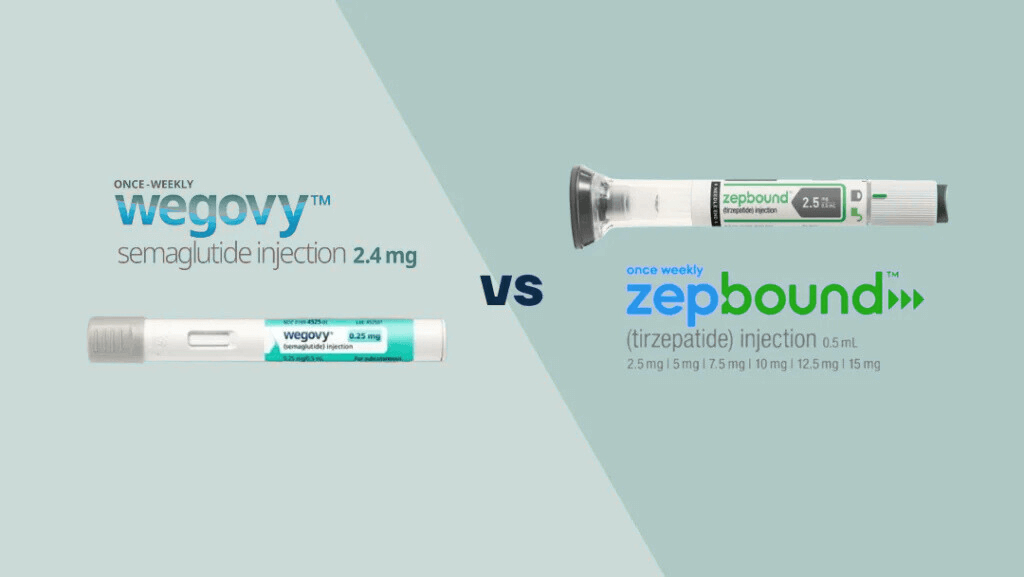
Differences between Semaglutide and Tirzepatide. If you’ve been keeping an eye on the latest weight loss treatments, you’ve probably heard the buzz about Semaglutide and Tirzepatide. These two medications have been making waves in the world of weight management, and for good reason. As a medical weight loss expert, I’ve been using these drugs for my patients and I’ve got to say, the results are pretty impressive. But here’s the thing – while both Semaglutide and Tirzepatide can help you lose weight, they’re not exactly the same. I thought it might be helpful to break down the key differences between these two medications. After all, if you’re considering either one as part of your weight loss plan, you’ll want to know what you’re getting into, right? So, grab a cup of coffee (or tea, if that’s more your thing), and let’s dive into the nitty-gritty of Semaglutide and Tirzepatide. By the time we’re done, you’ll have a better idea of how these drugs work and which one might be a better fit for your weight loss journey. ?Ready? Let’s get started! Semaglutide: Semaglutide is a GLP-1 RA that has been approved for the treatment of type 2 diabetes at lower doses. However, at a higher dose, Semaglutide has also demonstrated significant weight loss effects in individuals with obesity. The higher dose of Semaglutide for weight loss is marketed under the brand name Wegovy. Clinical trials have shown that Semaglutide can lead to substantial weight loss, with some studies reporting an average weight reduction of over 15% of initial body weight. Tirzepatide: Tirzepatide is a dual glucose-dependent insulinotropic polypeptide (GIP) and GLP-1 receptor agonist that is being investigated for its potential in weight management. This novel medication has shown promising results in early clinical trials, with significant reductions in body weight observed across various patient populations. Tirzepatide is being studied for its efficacy in both individuals with obesity and those with type 2 diabetes, highlighting its potential as a versatile treatment option. READ ALSO: Costs and Benefits of Semaglutide and Tirzepatide for Weight Loss (New Update) Key Differences Between Semaglutide and Tirzepatide How They Work in Your Body Semaglutide: Tirzepatide: How You Take the Medicine Semaglutide: Taken as a weekly injection under the skin Tirzepatide: Also taken as a weekly injection Researchers are looking into a monthly option, which could be more convenient [5] Weight Loss Results While both medications show impressive results, early studies suggest Tirzepatide might lead to slightly more weight loss. Semaglutide: People lost an average of 15% of their body weight in clinical trials [2] Tirzepatide: In studies, some people lost up to 22.5% of their body weight [6] However, it’s important to note that these medications haven’t been directly compared in the same study yet. Side Effects Both medications can cause similar side effects, most commonly affecting the digestive system. These may include: The long-term safety of Tirzepatide is still being studied, while we have more information about Semaglutide’s safety over time [7]. Availability and Approval READ ALSO: Semaglutide and Tirzepatide: Powerful Weight Loss Medications, Side Effects, and Risks Semaglutide: Tirzepatide: Making an Informed Decision When considering these medications for weight loss, keep in mind: Talk to Your Doctor: Discuss which option might be best for you based on your health history and weight loss goals. Consider Your Preferences: Think about whether you’re comfortable with weekly injections and potential side effects. Look at the Big Picture: Remember that these medications work best when combined with a healthy diet and regular exercise. Stay Informed: As Tirzepatide is still being studied for weight loss, new information may become available in the future. Conclusion Both Semaglutide and Tirzepatide show great promise in helping people lose weight. While Semaglutide is already approved for weight loss, Tirzepatide might offer even greater benefits in the future. As research continues, we’ll learn more about how these medications compare in the long run. Always consult with your healthcare provider to determine the best approach for your individual needs and circumstances. Book your weight loss consultation here References: [1] Nauck, M. A., & Meier, J. J. (2018). Incretin hormones: Their role in health and disease. Diabetes, Obesity and Metabolism, 20, 5-21. [2] Wilding, J. P. H., et al. (2021). Once-Weekly Semaglutide in Adults with Overweight or Obesity. New England Journal of Medicine, 384(11), 989-1002. [3] Fr?as, J. P., et al. (2021). Tirzepatide versus Semaglutide Once Weekly in Patients with Type 2 Diabetes. New England Journal of Medicine, 385(6), 503-515. [4] Min, T., & Bain, S. C. (2021). The Role of Tirzepatide, Dual GIP and GLP-1 Receptor Agonist, in the Management of Type 2 Diabetes: The SURPASS Clinical Trials. Diabetes Therapy, 12(1), 143-157. [5] Rosenstock, J., et al. (2021). Efficacy and safety of a novel dual GIP and GLP-1 receptor agonist tirzepatide in patients with type 2 diabetes (SURPASS-1): a double-blind, randomised, phase 3 trial. The Lancet, 398(10295), 143-155. [6] Jastreboff, A. M., et al. (2022). Tirzepatide Once Weekly for the Treatment of Obesity. New England Journal of Medicine, 387(3), 205-216. [7] American Diabetes Association. (2022). 9. Pharmacologic Approaches to Glycemic Treatment: Standards of Medical Care in Diabetes?2022. Diabetes Care, 45(Supplement_1), S125-S143.
Is Tirzepatide Better Than Semaglutide? Best Diabetes and Weight Loss Medications

Is Tirzepatide Better Than Semaglutide? When it comes to managing type 2 diabetes and shedding extra pounds, there’s a lot of buzz around two new medications: Tirzepatide and Semaglutide. You’ve probably heard about them in the news or from your doctor, but maybe you’re wondering what all the fuss is about. I get it – the world of diabetes and weight loss drugs can be confusing. So you’re wondering is Tirzepatide better than Semaglutide or vice versa. That’s why I want to break it down for you in plain English. No fancy medical jargon, just straightforward info to help you understand what these medications do and how they might fit into your health journey. Whether you’re dealing with stubborn blood sugar levels or trying to lose weight (or both), Tirzepatide and Semaglutide might be game-changers. But they’re not one-size-fits-all solutions. Let’s dive in and explore what makes these drugs tick, how they differ, and what you should know before talking to your doctor about them. What are Tirzepatide and Semaglutide? Tirzepatide and Semaglutide are both injectable medications used to treat type 2 diabetes and obesity. They belong to a group of drugs called GLP-1 receptor agonists, which work by mimicking certain hormones in your body to help control blood sugar and reduce appetite. How do they work? Tirzepatide: Semaglutide: Both medications can help lower blood sugar levels and promote weight loss. Effectiveness: What do studies show? While there haven’t been any direct comparison studies between Tirzepatide and Semaglutide, both medications have shown promising results in separate clinical trials. Tirzepatide: In a study called SURPASS-2, Tirzepatide helped people with type 2 diabetes lower their A1C (a measure of average blood sugar) by 2.0-2.3% and lose 7-9.5% of their body weight over 40 weeks [1]. Semaglutide: In the STEP 1 trial, people taking Semaglutide for weight loss saw an average reduction in body weight of 14.9% over 68 weeks [2]. For diabetes management, Semaglutide has shown A1C reductions of 1.4-1.8% in various studies [3] Side Effects: What should you know? Both medications can cause similar side effects, most commonly affecting the digestive system. These may include: In some cases, these medications might cause low blood sugar, especially if you’re also taking other diabetes medications. How are they taken? Tirzepatide: Given as a weekly injection under the skin Semaglutide: Available as a weekly injection or a daily pill READ ALSO: Costs and Benefits of Semaglutide and Tirzepatide for Weight Loss (New Update) Is Tirzepatide better than Semaglutide (Or which is)? It’s hard to say if one medication is definitively “better” than the other. The choice between Tirzepatide and Semaglutide depends on several factors: Your doctor will consider all these factors when recommending a medication for you. What should you do next? If you’re considering either of these medications: Remember, the “best” medication is the one that works well for you and fits your lifestyle. Your healthcare provider is your best resource for personalized advice and recommendations. Book Your Weight Loss Consultation Here Conclusion Both Tirzepatide and Semaglutide have shown promising results in helping people manage type 2 diabetes and lose weight. While they work in similar ways, they have some differences in how they’re taken and how they affect the body. The choice between them should be made with your doctor, considering your individual health needs and preferences. Always consult with a healthcare professional before starting or changing any medication regimen. They can provide personalized advice based on your specific health situation. READ ALSO: Semaglutide and Tirzepatide: Powerful Weight Loss Medications, Side Effects, and Risks References: [1] Fr?as, J. P., et al. (2021). Tirzepatide versus Semaglutide Once Weekly in Patients with Type 2 Diabetes. New England Journal of Medicine, 385(6), 503-515. [2] Wilding, J. P. H., et al. (2021). Once-Weekly Semaglutide in Adults with Overweight or Obesity. New England Journal of Medicine, 384(11), 989-1002. [3] Aroda, V. R., et al. (2017). Efficacy and Safety of Once-Weekly Semaglutide Versus Once-Daily Insulin Glargine as Add-on to Metformin (with or without Sulfonylureas) in Insulin-Naive Patients with Type 2 Diabetes (SUSTAIN 4): A Randomised, Open-Label, Parallel-Group, Multicentre, Multinational, Phase 3a Trial. The Lancet Diabetes & Endocrinology, 5(5), 355-366.